Blog: Recipes & Tips / Getting started
Getting started
FODMAPs vs gluten:
which one is upsetting your gut?
You cut bread and felt better, so it must be gluten? For many people with IBS the real trigger is FODMAPs. Here is the difference, in plain English.
By the Belly Buddy team · Updated August 2026 · Reviewed against Monash University's public research
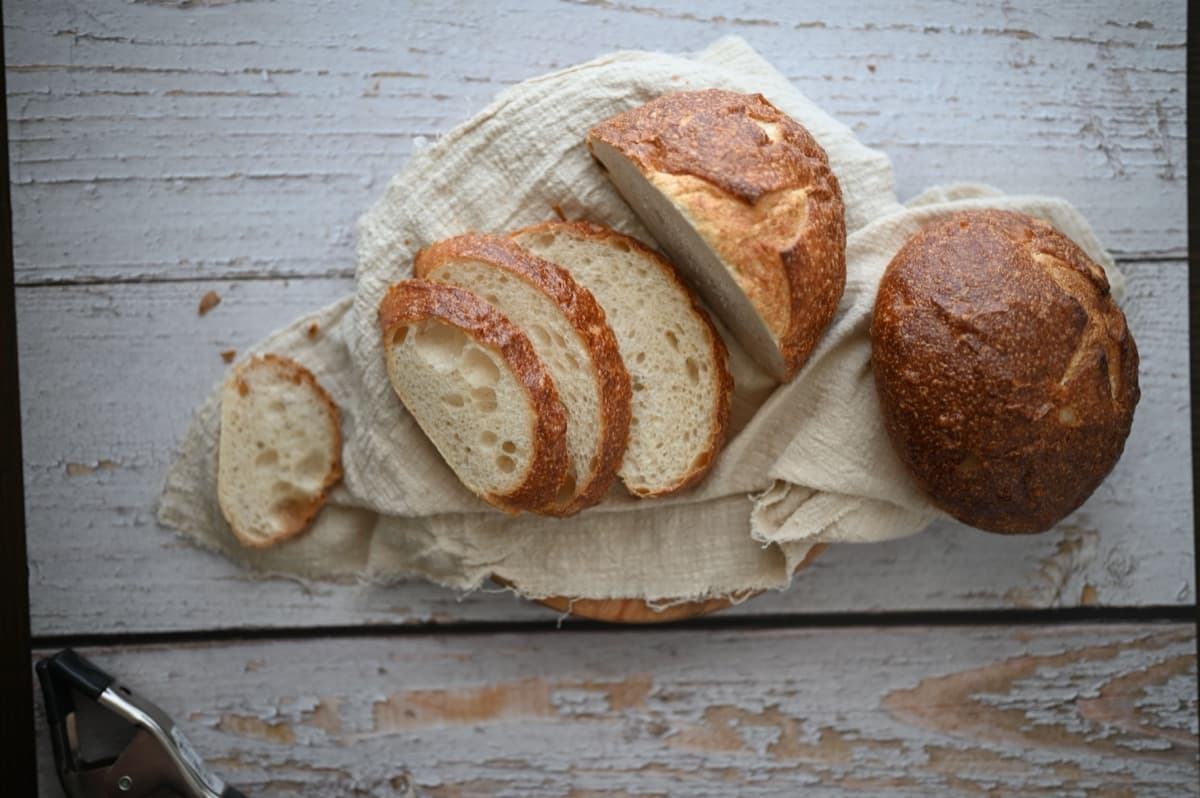
You gave up bread, your belly calmed down, and you concluded you have a gluten problem. It is one of the most common self diagnoses in the IBS world, and it is very often wrong. Wheat contains two completely different things that can bother a gut: gluten, a protein, and fructans, a fermentable carbohydrate from the FODMAP family. When people with IBS feel better without bread, the research points at the fructans far more often than the gluten.
Gluten and FODMAPs are not the same thing
Gluten is a protein. In coeliac disease it triggers a real autoimmune reaction that damages the gut, which is why coeliac disease must be ruled out by a doctor before any elimination diet. But coeliac disease affects about 1% of people; most bread avoiders do not have it.
FODMAPs are five families of small fermentable carbohydrates, catalogued by Monash University, the Australian team that discovered the link with IBS:
- Fructans (oligosaccharides): wheat, rye, onion, garlic
- GOS (oligosaccharides): beans, lentils, cashews
- Lactose (a disaccharide): milk, soft cheese, regular yogurt
- Excess fructose (a monosaccharide): apples, pears, honey, mango
- Polyols: stone fruits, mushrooms, cauliflower, and "sugar free" sweeteners like sorbitol
Bread sits in the first family. So when it bothers you, it can come from either one, and in IBS the fructans are the more common culprit. In a large controlled study, people with suspected gluten sensitivity had no reaction to purified gluten once their FODMAP intake was reduced (Biesiekierski et al., Gastroenterology 2013).
What FODMAPs actually do in your gut
FODMAPs are poorly absorbed in the small intestine, and that part is true for everyone, not just people with IBS. Two things happen next:
- Being small and osmotically active, they drag extra water into the gut.
- They arrive intact in the colon, where your gut bacteria ferment them rapidly, producing gas.
More water plus more gas stretches the intestinal wall. In most people that stretch goes unnoticed. In IBS, the gut wall is hypersensitive: the same stretch is read by the nervous system as pain, bloating and cramps, and it can push digestion toward diarrhea, constipation or both. Unlike gluten in coeliac disease, FODMAPs do not damage the gut; they trigger a gut that over-reacts to normal signals.
How to find your real trigger
The Monash protocol is a short diagnostic tool, not a forever diet:
- Elimination (2 to 6 weeks). Swap high FODMAP foods for low FODMAP alternatives and see whether symptoms calm down.
- Reintroduction (6 to 8 weeks). Test one FODMAP family at a time, in increasing portions, to find your triggers and your thresholds.
- Personalisation. Bring back everything you tolerate and keep the long-term diet as broad as possible; your gut bacteria will thank you.
In Monash's research, about three out of four people with IBS get meaningful symptom relief on the diet. It works best with a FODMAP-trained dietitian, especially the reintroduction phase, and a coeliac test belongs at the very start, while you are still eating gluten.
New to all of this? Our complete FODMAP guide covers every family, food by food.
Sources
- Monash University: About FODMAPs and IBS
- Monash University: Starting the low FODMAP diet
- Biesiekierski et al., No effects of gluten in patients with self-reported non-celiac gluten sensitivity after dietary reduction of FODMAPs, Gastroenterology (2013)
- Halmos et al., A diet low in FODMAPs reduces symptoms of IBS, Gastroenterology (2014)

Swapping an ingredient?
Scan any product with Belly Buddy and get an instant FODMAP verdict.